
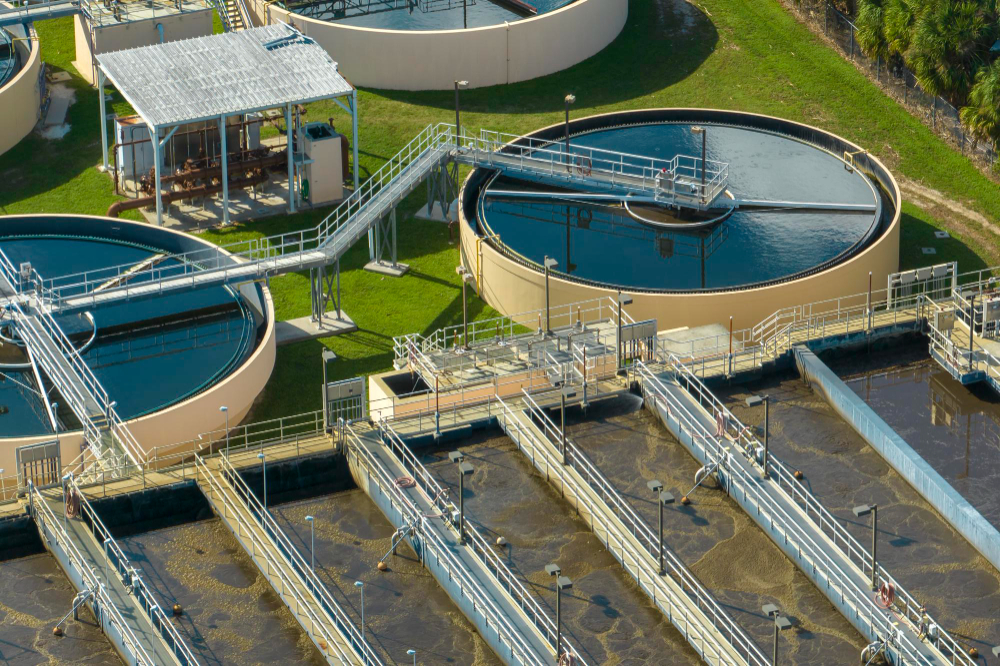
Choosing the right treatment partner can shape your plant’s compliance, operating cost, water use and environmental performance for years. Malaysia’s industries face strict discharge requirements, while each facility produces wastewater with a different mix of solids, oils, chemicals, nutrients and organic matter.
A suitable wastewater treatment company in Malaysia should understand these differences before recommending equipment. The best choice combines sound engineering, proven treatment methods, plant support and clear performance targets.
This guide explains how to assess providers, compare technologies, manage sludge, plan upgrades and select a waste water treatment solution that fits your operation.
What Is Wastewater Treatment?
Wastewater treatment removes pollutants from used water before discharge, reuse or further processing. Industrial wastewater can contain suspended solids, oils, grease organic matter, metals, chemicals, nutrients, salts and microorganisms.
Treatment plants use physical, chemical and biological processes to reduce these contaminants. A system may include screening, pH correction, coagulation, biological treatment, clarification, filtration, membranes, disinfection and sludge handling.
The right process depends on wastewater characteristics and the required discharge quality. A food factory may need strong oil, grease and organic-load removal. A metal-finishing facility may need chemical precipitation for metals. This is why process design should begin with wastewater testing rather than equipment selection.
Why Do Businesses Need a Proper Wastewater Treatment Solution?
Industrial wastewater creates environmental and business risks when a plant fails to treat it to the required standard. Poor treatment can affect rivers, groundwater, soil, surrounding communities and downstream water users.
Malaysia’s Department of Environment regulates industrial effluent through the Environmental Quality (Industrial Effluents) Regulations 2009. The Department also publishes technical guidance for industrial effluent characterisation and treatment-system performance monitoring.
A well-designed treatment system can help a business:
- Meet applicable discharge requirements.
- Reduce pollution entering receiving waters.
- Support water recovery and reuse.
- Control treatment chemical consumption.
- Reduce process disruptions and compliance risks.
- Improve visibility over plant performance.
Companies evaluating wastewater treatment in Malaysia solutions should view treatment as part of plant operations rather than a stand-alone piece of equipment.
What Should You Consider Before Choosing a Wastewater Treatment Company?
Price matters, but it should not drive the whole decision. A low-cost system can become expensive when it consumes excess chemicals, produces large sludge volumes, needs constant repair or struggles with changing wastewater loads.
Start with wastewater characteristics, discharge targets, available space, expected production growth, operating skills, maintenance needs and lifecycle cost.
1. Review the Site Assessment and Wastewater Study
A capable provider should study the wastewater before finalising a treatment process.
The assessment should examine factors such as flow rate, pH, chemical oxygen demand (COD), biochemical oxygen demand (BOD), suspended solids, oil and grease, nutrients, metals and other pollutants linked to the industrial process.
Malaysia’s Department of Environment lists technical guidance for industrial effluent characterisation studies. This reinforces the importance of understanding the wastewater stream before treatment design begins.
2. Check the Company’s Engineering and Design Capability
A treatment provider should do more than supply tanks, pumps and filters. Look for a team that can connect process design with hydraulic calculations, equipment sizing, piping, electrical systems, controls, instrumentation, installation, commissioning and maintenance.
Ask how the company handles peak flow and pollutant loads. Check whether the proposed plant allows future expansion. A strong design should also give operators safe access to pumps, valves, sampling points and service areas.
Techkem Water Technologies states that its services cover Engineering, Procurement and Construction, Operations and Maintenance, Build, Operate and Maintenance and Construction and Maintenance.
3. Look for Industry-Specific Experience
Wastewater differs between industries. Food processing wastewater may contain fats and high organic loads. Manufacturing plants may release suspended solids or process chemicals. Metal-related operations can generate wastewater containing dissolved metals.
A provider with relevant industry experience can identify treatment challenges during the design stage.
Ask for examples involving wastewater with characteristics close to yours. Focus on treatment objectives, plant capacity, inlet conditions, outlet targets, operating requirements and long-term results rather than project size alone.
4. Evaluate the Treatment Technologies Offered
No single technology fits every plant.
A provider should explain why each process belongs in the proposed treatment train. Ask what contaminant it removes, what operating conditions it needs, how much sludge it creates and what maintenance it requires.
Techkem lists capabilities across industrial wastewater, sludge treatment, wastewater recycling, membrane ultrafiltration, coagulants and flocculants and fat, oil and grease removal.
This range matters when a facility requires several treatment stages rather than one process.
How Does a Wastewater Treatment System Work?
Most industrial treatment systems follow a sequence of treatment stages.
- Pre-treatment removes large solids, debris, oil, grease or grit that could damage downstream equipment.
- Equalisation collects wastewater and balances changes in flow, pH and pollutant concentration.
- Chemical treatment can use pH adjustment, coagulation and flocculation to convert fine or dissolved pollutants into particles that a separation process can remove.
- Biological treatment uses microorganisms to break down biodegradable organic pollutants.
- Solid-liquid separation removes biological solids or chemical flocs through clarification, flotation, membranes or other separation methods.
- Polishing and disinfection can improve final water quality where discharge or reuse targets demand extra treatment.
The final process train for waste water treatment Malaysia projects should match the actual influent and required effluent quality.
Wastewater Treatment Technologies to Compare
Technology selection has a direct effect on footprint, energy demand, chemical use, operator workload, sludge generation and treated-water quality.
Common technologies include:
- Coagulation and flocculation: Chemicals destabilise fine particles and form larger flocs for removal
- Dissolved air flotation (DAF): Fine air bubbles lift oils, grease and suspended matter towards the surface for separation
- Activated sludge: Microorganisms consume biodegradable organic pollutants
- Sequential batch reactor (SBR): Biological treatment operates through controlled treatment stages within a reactor
- Membrane bioreactor (MBR): Biological treatment works with membrane separation to produce high-quality treated water
- Ultrafiltration: Membranes remove fine suspended material and support water polishing or reuse
- Sludge dewatering: Equipment removes water from sludge and cuts the volume requiring handling
Techkem Group describes package wastewater treatment options that include chemical reaction processes, SBR, MBR and sludge dewatering.
Compare technologies against measurable plant needs instead of selecting the most complex system.
Why Sludge Management Should Be Part of Your Decision
Treatment does not make contaminants disappear. Many processes transfer pollutants from water into sludge.
That sludge needs collection, thickening, dewatering, storage, handling and suitable disposal or further treatment. Poor sludge planning can increase labour, storage requirements, odour concerns, hauling needs and plant operating costs.
Ask potential suppliers to estimate sludge production and explain the proposed dewatering process.
A complete waste water treatment proposal should show both the water-treatment route and the sludge route. Techkem lists sludge treatment among its stated capabilities and includes dewatering within its package wastewater treatment approach.
New Wastewater Treatment Plant vs Upgrading an Existing System
A new plant gives engineers greater freedom to design around current wastewater characteristics, production capacity, site layout, automation needs and future expansion.
An upgrade may make more sense when existing tanks, structures, pumps, piping or treatment stages still have useful service life.
Before replacing a plant, investigate why the current system struggles. The cause may involve higher production loads, weak aeration, poor chemical dosing, worn equipment, limited equalisation, process changes or inadequate monitoring.
For businesses comparing water treatment services, request an assessment of reusable assets before approving complete replacement. A targeted retrofit can improve performance while reducing construction work and capital expenditure.
How to Compare Wastewater Treatment Companies in Malaysia
Create one evaluation framework and use it for every proposal. This makes technical and commercial differences easier to identify.
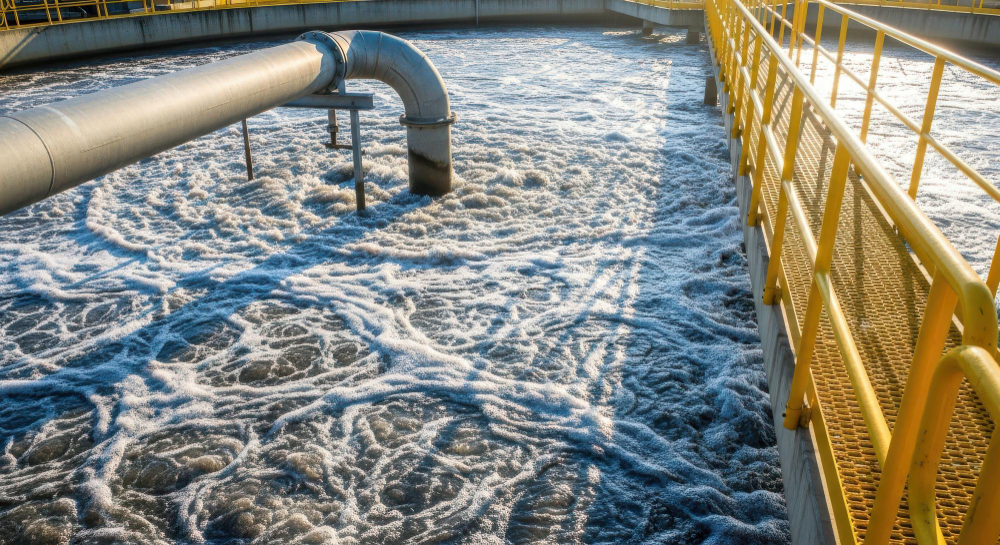
Compare each provider across:
- Wastewater assessment and design basis.
- Relevant project experience.
- Treatment performance targets.
- Equipment quality and maintainability.
- Energy and chemical requirements.
- Sludge production and handling.
- Automation and monitoring.
- Operator training.
- Spare parts and maintenance support.
- Expansion options.
- Total lifecycle cost.
When comparing a wastewater treatment company in Malaysia, ask suppliers to state their assumptions. Two quotations can appear similar while using different inlet loads, operating hours, effluent targets or equipment specifications.
Field service management software can strengthen the maintenance side of treatment operations. Service teams can use FSM platforms to schedule preventive maintenance, assign technicians, record inspections, track service history, manage work orders and document equipment issues. This creates a clearer service trail across pumps, blowers, dosing systems, membranes, sensors and other plant assets.
Questions to Ask a Wastewater Treatment Company Before Hiring
A focused set of questions can expose gaps before the project starts.
Ask the provider:
- What wastewater data will you use as the design basis?
- Which pollutants create the greatest treatment challenge?
- Why have you selected these treatment technologies?
- What inlet and outlet conditions does the proposal assume?
- How will the plant handle peak or shock loads?
- What chemicals and utilities will the system consume?
- How much sludge should the plant produce?
- Which components need routine maintenance?
- What operator training will you provide?
- Can the system support future production growth?
- What monitoring instruments will the plant include?
- What support is available after commissioning?
Clear answers help buyers separate a complete engineering solution from a basic equipment quotation.
Understanding Wastewater Treatment Requirements in Malaysia
Malaysia’s Department of Environment lists the Environmental Quality (Industrial Effluents) Regulations 2009 and Environmental Quality (Sewage) Regulations 2009 within its environmental regulatory framework.
For sewage, the 2009 regulations define Standard A and Standard B discharge conditions. Standard A applies to discharges into inland waters within specified catchment areas, while Standard B applies to other inland waters or Malaysian waters. The listed parameters include pH, BOD, COD, suspended solids, oil and grease, ammoniacal nitrogen, nitrate nitrogen and other parameters.
Industrial facilities should establish which rules and discharge conditions apply to their specific operation and discharge point. A provider working in wastewater treatment in Malaysia should design around applicable requirements and support suitable monitoring, sampling, documentation and plant operation.
What Makes a Good Wastewater Treatment System?
A good system produces the required water quality without creating unnecessary complexity for the operating team.
It should have enough capacity for normal flows and realistic peak conditions. Operators should have access to important equipment. Instrumentation should give useful information about plant performance. Pumps, blowers, chemical systems and membranes should have practical maintenance plans.
A strong system should also control lifecycle costs. Capital cost forms only one part of the financial picture. Electricity, chemicals, labour, replacement parts, sludge handling, membrane replacement, maintenance and downtime can shape the plant’s long-term cost.
Digital maintenance tools and FSM software can support this goal by recording asset history and organising preventive service work.
Why Choose Techkem Water Technologies?
Techkem Water Technologies presents itself as a Malaysian water and wastewater solutions provider with capabilities spanning municipal and industrial applications. Its services include plant design, supply, development, management, maintenance, EPC, O&M, BOM and construction and maintenance.
The company states that it has worked in water and wastewater solutions since 2001 and supports projects across Malaysia and other South-East Asian markets. Its listed capabilities cover industrial wastewater, sludge treatment, process-water recycling, ultrafiltration, chemical treatment and fat, oil and grease removal.
For organisations searching for a wastewater treatment company in Malaysia, this broad capability can help connect design, equipment, construction, operation and maintenance within one treatment strategy.
Techkem also describes experience with tailored systems and package technologies including SBR, MBR, chemical treatment and sludge dewatering.
Conclusion
Choosing a treatment provider requires more than comparing equipment prices. Start with wastewater characteristics, applicable discharge targets, process reliability, sludge handling, maintenance needs, operating cost and future capacity. Compare suppliers using the same design assumptions and ask each company to explain the purpose of every treatment stage. The right waste water treatment Malaysia strategy should protect compliance while keeping plant operation practical and maintainable. Businesses assessing water treatment providers should also consider service support, monitoring, operator training and asset management. A well-designed waste water treatment system becomes a long-term operational asset rather than another maintenance burden.
FAQs
What should I check before choosing a wastewater treatment provider?
Check industry experience, treatment technology, engineering skills, compliance knowledge, maintenance support, sludge planning, project references, operating costs, monitoring systems and the provider’s ability to handle future production changes without disruption.
How do I know which wastewater treatment technology suits my factory?
Start with laboratory testing and flow data. Engineers should assess pollutant concentrations, discharge targets, available space, production patterns, sludge generation, energy needs and maintenance capacity before selecting suitable treatment processes.
Can an existing wastewater treatment plant be upgraded?
Yes. Engineers can assess tanks, pumps, aeration systems, chemical dosing, controls, membranes and treatment capacity. Targeted upgrades can address higher loads, ageing equipment, process changes or tighter discharge requirements without replacement.
Why is maintenance important for wastewater treatment systems?
Maintenance keeps pumps, blowers, dosing equipment, sensors, membranes and control systems working as designed. Planned servicing also reduces unexpected failures, supports treatment consistency, extends equipment life and improves maintenance records.

Recent Comments