
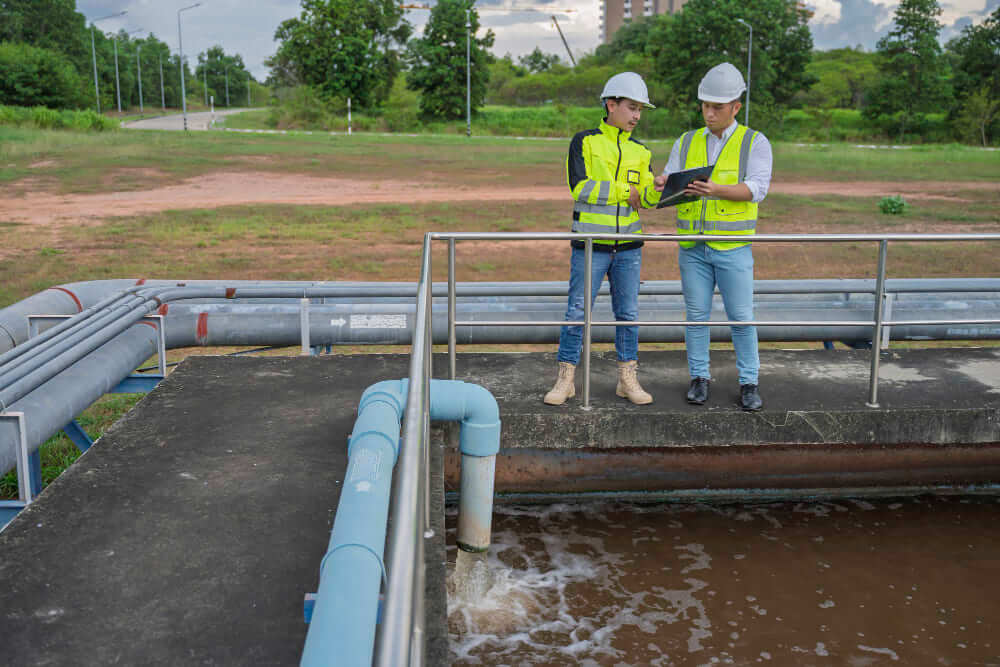
Water plays a significant part in almost every manufacturing process, whether it is used as a raw material, a cooling agent, a cleanser, or for any other purpose. But once it has been used, it will be contaminated by different types of chemicals, oils, heavy metals, and even solids.
The first issue which requires the need for the industrial wastewater treatment is the prevention of river, lake, and groundwater contamination, which poses a risk to the environment and human health as well. The second cause for treating industrial wastewater lies in being obliged to be environmentally friendly.
Industrial wastewater treatment helps address these challenges by removing contaminants, improving water quality, and supporting sustainable operations. Understanding how these systems work is key to protecting water resources while maintaining efficient industrial processes.
Why Industrial Wastewater Treatment Matters
Water is an essential part of most processes used in industries. When used, this water usually ends up containing pollutants which have to be filtered out before it can either be released back into the environment or used again.
- Protection of natural water sources: The filters will remove harmful chemicals that could be released into the water sources.
- Regulatory compliance: Helps firms to meet their legal requirements.
- Efficient operation: Reduces the use of fresh water through the recycling of water.
Common Pollutants Found in Industrial Wastewater
| Pollutant Type | Examples | Potential Environmental Impact |
| Chemical Contaminants | Acids, alkalis, solvents, cleaning agents, industrial chemicals | Can alter water chemistry, disrupt aquatic ecosystems, and contaminate water sources |
| Heavy Metals | Lead, mercury, cadmium, chromium, nickel | Toxic to aquatic life, can accumulate in the food chain, and cause long-term environmental damage |
| Oils and Grease | Lubricants, fats, oils, and grease residues | Form surface films on water, reduce oxygen transfer, and harm aquatic organisms |
| Suspended Solids | Sediment, fibres, sludge, organic matter | Reduce water clarity, clog waterways, damage aquatic habitats, and increase treatment requirements |
Types of Industrial Wastewater
Each industry produces very unique and distinctive types of wastewater. Here are some of the wastewater characteristics of the Malaysian industries:
Manufacturing/Metal Processing Industry
Wastewater from these industries normally contains heavy metals and oily materials and would require chemical and physical treatments.
Food and Beverages Processing
This water normally has high levels of fat, oil, and organic solids. If left untreated, these effluents will rapidly use up the oxygen available in the river and will eventually suffocate aquatic life.
Palm Oil Processing
Being a major producer of palm oil in the world, POME or palm oil mill effluent, is among the hardest wastewater to treat due to its viscous and acidic nature.
Chemical and Pharmaceutical Plants
The wastewater normally has very complex molecules and would need special wastewater treatment.
Textiles/Dyeing Industry
The wastewater produced by this industry is usually stained using artificial dyes and will therefore require specific treatment techniques.
How an Industrial Wastewater Treatment Works
The wastewater undergoes treatment through several stages. Each particular stage involves certain pollutants being eliminated to ensure that the quality of water is improved in the process.
Stage 1: Primary Treatment
This is the initial stage of water treatment. The primary purpose of this stage is the removal of large pollutants in wastewater.
- Screens for removing large debris and other particles
- Settling of heavy materials at the bottom of the waste tank
- Skimming of floating pollutants such as oils
Stage 2: Secondary Treatment
This stage treats the dissolved and suspended organic pollutants. This stage uses microorganisms to treat pollutants in water.
- Activated sludge process
- MBBR process
- Trickling filters process
Stage 3: Tertiary Treatment
This stage provides high-level purification. The aim is to ensure that the treated water satisfies discharge and reuse criteria.
- Filtration systems
- Disinfection using UV radiation
- Membrane treatment processes
Technologies Used in Industrial Wastewater Treatment
Industrial wastewater treatment technology is dependent on the contaminants within the waste stream and the water quality needed for reuse or discharge. Most treatment processes incorporate multiple technologies to get the best outcome.
Physical Processes
Methods that use physical actions to eliminate waste materials in water include actions such as gravity, pressure, or mechanical processes. Physical treatment acts often occur at the beginning stages of wastewater treatment.
- Sedimentation: Heavier particles sink to the bottom.
- Filtration: Water flows through filter media, which eliminates the suspended particles.
- Flotation: Air bubbles rise, causing light substances to move to the surface.
Chemical Processes
The process of chemical treatment involves the use of particular chemicals that react with impurities.
- Coagulation & Flocculation: Involves bonding small particles to form bigger particles that can be easily removed from the water.
- pH adjustment: Aids in balancing acidic and alkaline waters.
- Chemical oxidation: Helps break down hazardous and poisonous substances.
Biological Treatment Technologies
Organic contaminants are decomposed by biological processes employing natural microorganisms. Very effective for treating wastewater containing high amounts of organic compounds.
- Activated Sludge System: The microorganisms feed on the organic substances in aerated tanks.
- Aerobic & Anaerobic Treatment: Process employs bacterial agents which function with or without oxygen.
- Moving Bed Biofilm Reactors (MBBR): Biofilm-coated carriers improve treatment efficiency.
Advanced Treatment Technologies
Advanced technologies are employed where industries have to comply with stringent discharge or reuse standards. Such technologies offer better purification of water.
- Membrane Filtration: Removal of fine impurities through special membranes.
- Reverse Osmosis & Ultra-Filtration: Produces high-quality purified water.
- Advanced Oxidation Processes (AOPs): Decomposition of highly complex impurities which cannot be treated with conventional techniques.
Environmental Benefits of Wastewater Treatment
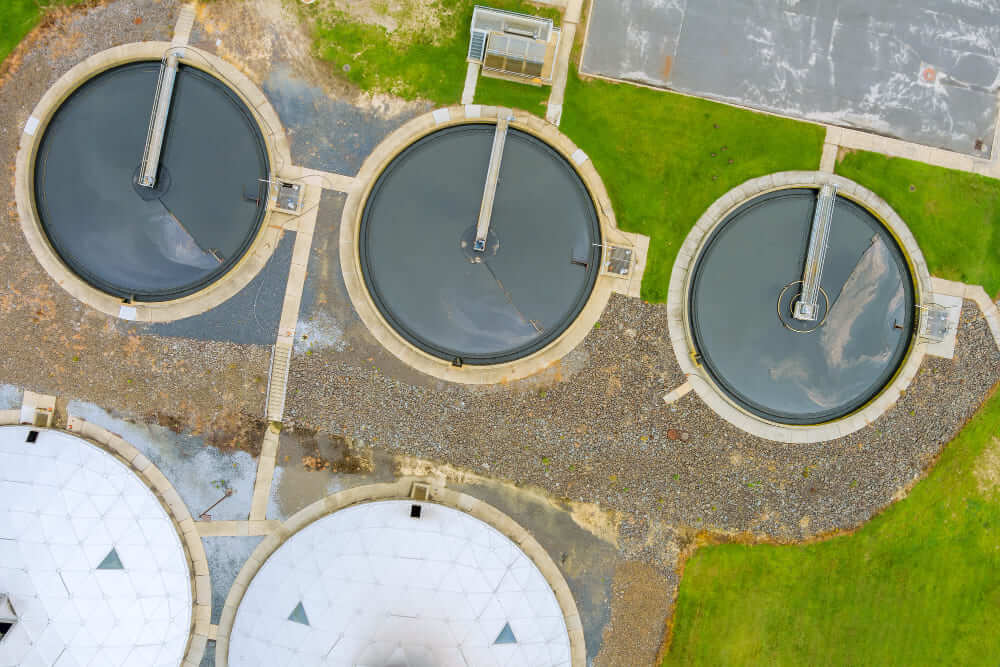
The processing of industrial waste has an immediate effect on the natural environment of Malaysia.
Cleaner Rivers
Malaysia boasts over 150 river basins. Filtering out industrial wastes prevents harm to fish, flora, and fauna living near those rivers.
Better Soil Quality
Raw water leaking into the ground is highly detrimental to agricultural areas. Industrial water waste processing helps prevent this problem.
Reducing Algal Blooms
Nitrogen and phosphorus in rivers cause the growth of algae that kill all other forms of life. Filtering out these substances stops that.
Chemical Conservation
With new waste processing technologies, fewer chemicals need to be used throughout the entire process, and less sludge is produced.
Benefits for Industries
The importance of industrial wastewater treatment cannot be overstated in terms of environmental benefits only.
Reduced Operating Expenses
Wastewater treatment enables reduced usage of fresh water and utilities. As a result, your company will see savings from this process in its operations in the long term.
Improved Regulatory Compliance
Effective wastewater treatment makes sure that your operations comply with discharge regulations. Your chances of avoiding penalties are greatly reduced in the process.
Enhanced Business Reputation
More companies nowadays prefer working with environmentally conscious organisations. Wastewater treatment can prove your business’s dedication to environmental protection.
Recovered Resources
Modern technologies allow you to treat wastewater and get back resources. These can include not only water but also other valuable substances such as energy and minerals.
Challenges Industries Face
Some problems related to wastewater treatment include the following:
- High initial cost: The initial installation of a wastewater treatment plant is very costly; this is something that small businesses would find difficult to do.
- Constantly varying wastewater: Since there are different processes involved, the wastewater that comes out can keep changing; therefore, the wastewater treatment plant cannot be able to accommodate the wastewater.
- Disposal of sludge: Sludge means the residue obtained in the purification of the water, and removing it is problematic.
- Recruitment of qualified staff: Wastewater treatment plants need to hire skilled people, but Malaysia lacks skilled people for this.
- Compliance with increasingly strict regulations: Regulations have been tightening over the years, meaning that old treatment plants may no longer satisfy them.
Future of Industrial Wastewater Treatment
The future of industrial wastewater treatment revolves around sustainability and technological advancements that would promote efficiency.
Smart Systems and Monitoring in Real Time
Use of advanced sensors and automation would allow detection and adjustments to occur in real time. As such, not only will this make the whole process much more efficient, but it will minimise the need for chemicals, ensuring compliance.
Using Wastewater as a Resource
Some industries have embraced this idea and have started recovering resources from their wastewater. The recovered nutrients, energy, and treated water may prove valuable to the industrial processes.
Zero Liquid Discharge Systems
A zero liquid discharge system is designed to ensure that virtually all the water used by an industrial facility is recovered. Even though such an investment is relatively expensive, it becomes very appealing in places where there is water scarcity and stringent discharge requirements.
Sustainable Chemicals
Innovative sustainable treatment chemicals have emerged to replace the conventional products. Biochemical products can offer effective treatment with minimal impact on the environment.
Strengthened Regulations in Malaysia
As environmental regulations get tighter, there are also stricter monitoring measures by the respective agencies. Therefore, many industries have been emphasising improving their wastewater management systems.
Conclusion
Industrial wastewater treatment is very important in ensuring the protection of water resources, meeting environmental requirements, and contributing to sustainability. The larger the industries become, the more importance is placed on water management.
Water purification through these treatments ensures that pollutants are eliminated, reuse of water is enabled, and standards regarding the environment are complied with. This results in efficient operations in companies.
In future, there will be significant changes in how the process is done. Automation in processes, membranes, and resource recovery will play a significant part in changing this aspect.

Recent Comments