
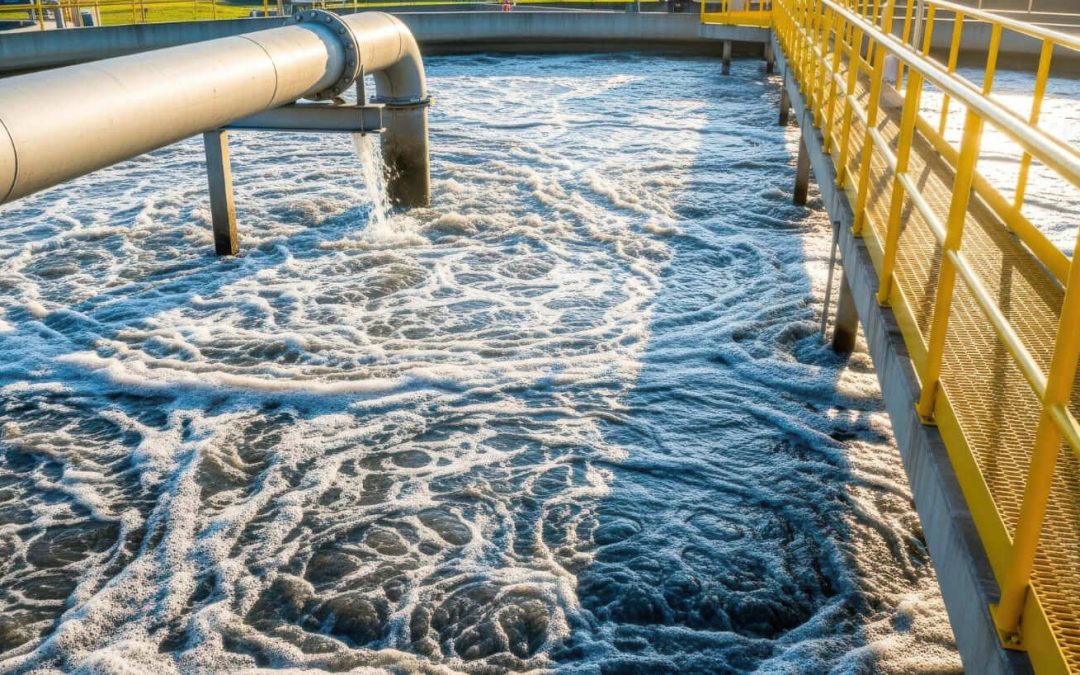
The Malaysian industry keeps growing steadily. But still, there is one problem that is present alongside the growth of the industry – an increasing amount of industrial wastewater. In the course of production, the water bodies are polluted with chemicals, oil, heavy metals, and organic materials.
Furthermore, the industries of Malaysia must adhere to the environmental regulations set out by the DOE Malaysia. Non-compliance with the discharge standards leads to fines, shutting down of business operations, and a negative impact on the image of the organisation.
This is the reason why industrial wastewater treatment in Malaysia has become one of the key issues among various industries. This guide provides an insight into industrial wastewater, its characteristics, classification, treatment process, and its significance for future business development.
Characteristics of Industrial Wastewater
Since wastewater composition varies between industries, analysing key parameters helps identify potential risks and treatment requirements.
pH Levels
The pH level indicates either acidic or basic water wastes. Higher pH levels would result in corrosion of equipment, malfunctioning of wastewater management processes and damage to organisms existing in natural water resources.
Biological Oxygen Demand (BOD)
BOD is the oxygen level necessary for decomposing organic materials present in water. High BOD levels often indicate a large amount of biodegradable waste, which can reduce oxygen levels in rivers.
Chemical Oxygen Demand (COD)
COD measures the total oxygen required to oxidise both organic and inorganic pollutants. It helps assess the overall pollution strength of industrial wastewater.
Total Suspended Solids (TSS)
TSS represents all undissolved particles that exist in water, like silt, fibres, and other forms of organic materials. A high amount of TSS causes water to become turbid.
Heavy Metals
This may include the heavy metals such as mercury, lead, and chromium. These heavy metals are very poisonous to human beings and animals, even at low concentrations.
Temperature
High temperatures of discharged wastewater could elevate the water temperature of the rivers, thereby disturbing the equilibrium of the ecosystem of the rivers.
Common Types of Industrial Wastewater
Not all wastewater is the same in appearance or characteristics. The following are the types of wastewater prevalent in different industries.
Chemical Waste
These are generated from industries producing electronics, pharmaceuticals, and metallic components. This wastewater consists of acids, solvents, and heavy metals. Upon seeping into the soil and groundwater, this could pose health problems for many years to come.
Biological Waste
Food processing factories, palm oil mills, and rubber factories contribute to wastewater rich in organic compounds. Upon entering the river, the wastewater depletes the available oxygen. Hence, it impacts the aquatic life.
Thermal Waste
Power generation facilities and steel rolling mills generate wastewater at very high temperatures. Even when free of any chemical pollutants, hot wastewater raises the temperature of the river, adversely affecting the flora and fauna.
How the Industrial Wastewater Treatment Process Works
Wastewater treatment in industrial applications utilises a stepwise approach whereby various forms of contaminants are removed at each treatment level.
Stage 1: Primary Treatment
Treatment is used as the primary source of defence against pollutants in water. This stage reduces the load on downstream treatment systems and improves overall efficiency.
- Screening: Removing all waste products, such as plastics, papers, etc.
- Sedimentation: It is the process in which all heavy materials settle at the bottom of the water tank.
- Filtration: Removes the remaining particles that have not been removed by other processes.
Stage 2: Secondary Treatment
The secondary stage involves the removal of organic pollutants through biological means. Decomposition of organic matter takes place through the actions of microorganisms.
- Activated Sludge Process: Biological decomposition of organic matter in an aerobic environment and in the presence of sludge containing bacteria.
- Trickling Filters: A filtration method involving the flowing of wastewater across a surface containing beneficial microorganisms.
- Biological Film Reactors: Support microbial growth on specialised surfaces to improve treatment performance.
Stage 3: Tertiary Treatment
Tertiary treatment provides advanced purification and removes contaminants that remain after biological treatment. This stage is often required when stricter discharge standards apply.
- Advanced filtration: This process removes fine particles in the wastewater.
- Disinfection: Disinfection involves either ultraviolet light or chlorination of water to kill bacteria present in it.
- Membrane Technology: Reverse osmosis and membranes are used to remove dissolved pollutants.
Stage 4: Sludge Management
Wastewater treatment produces sludge as a by-product that must be managed responsibly. Sludge in Malaysia is categorised as scheduled waste and thus will require proper disposal according to the environmental rules.
- Incineration: Processes sludge under high temperatures to lower its weight.
- Composting: Converts suitable organic sludge into useful soil-conditioning material.
- Regulated Disposal: Transporting, treating, and disposing of the sludge by licensed companies according to Malaysian standards.
Industrial Wastewater Treatment Technologies
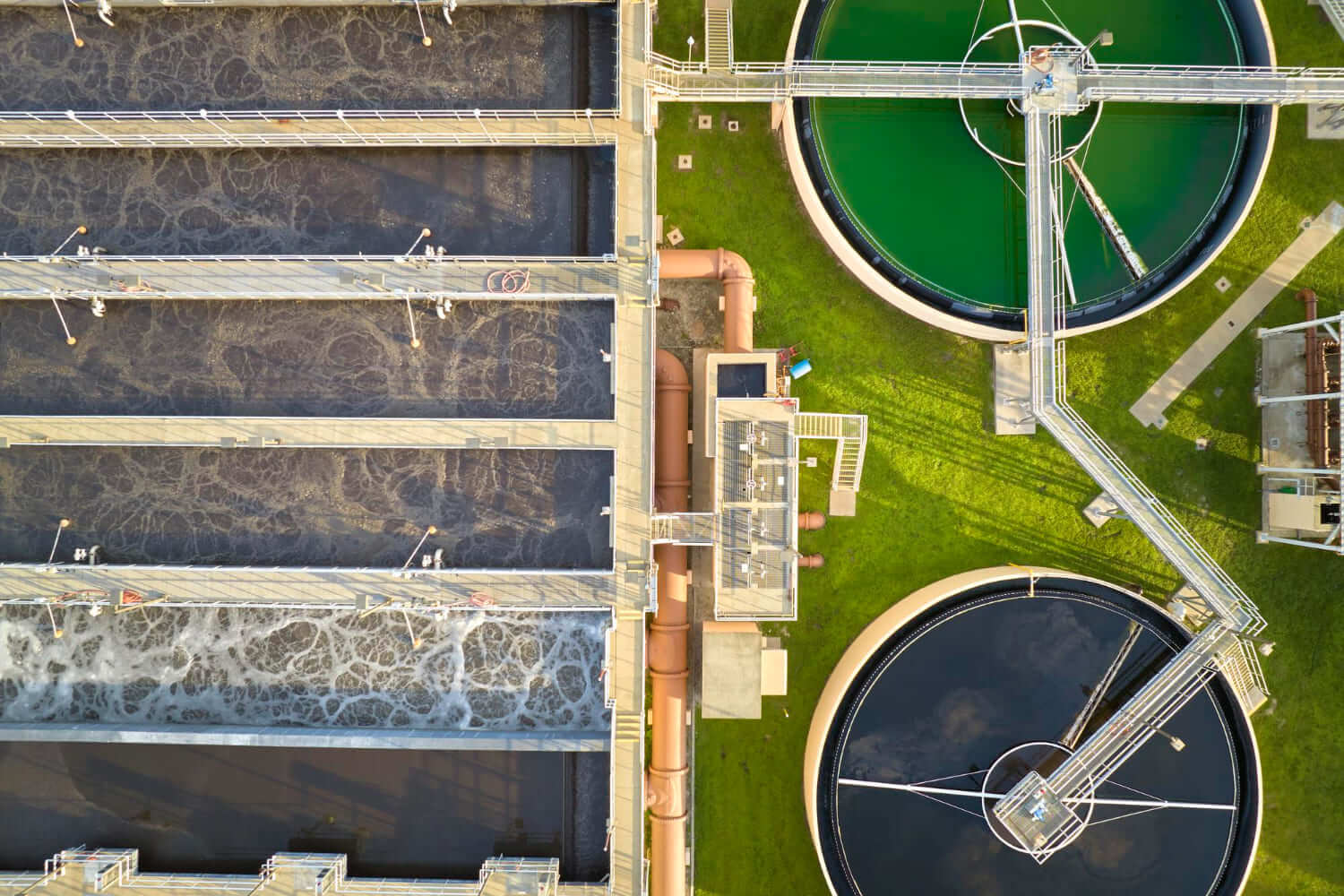
In recent years, there have been great advancements made regarding industrial wastewater treatment in Malaysia. Nowadays, Malaysian industries are presented with a wide variety of options that have been developed specifically for improving treatment processes.
Membrane Bioreactor (MBR)
MBR uses the combination of biological and membrane filtration in one compact system. MBR provides high-quality water, requires a small area, and is applicable to factories with land limitations.
Reverse Osmosis (RO)
In RO, water passes through ultra-fine filters to eliminate dissolved solids, minerals, and other impurities. Many electronics and semiconductor manufacturers use it since they require highly purified output.
Electrocoagulation
This method uses electric current to make contaminants clump together so they can be removed. This technique is efficient when dealing with oily, metallic, and fine suspended wastewater.
Activated Carbon Adsorption
Activated carbon acts as a filter for organic materials and any remaining substances from the water. It is often used in the final treatment stage to give the water a final polish before it is discharged.
Zero Liquid Discharge (ZLD)
In ZLD treatment plants, all wastewater is treated to the fullest, and absolutely no liquid effluent is generated. All the processed liquid goes back into circulation. This technique corresponds directly with the Zero Discharge Policy (ZDP) initiated by Selangor in June 2024 that encourages all facilities in the region to recycle their effluent.
Industries That Need Industrial Wastewater Treatment
There is a need for industrial wastewater treatment in Malaysia for various industries. The companies working in these industries will have to make sure that their industrial wastewater is treated adequately.
- Manufacturing: Such industries as those dealing with metal parts, plastic, rubber, and textile production will generate wastewater having chemicals, dyes, oils, and heavy metals.
- Food and Beverage: Food processing will involve industrial wastewater having higher amounts of organic material, making it high in terms of BOD and COD.
- Palm Oil and Agriculture: Palm oil mill effluent is considered to be the most difficult wastewater to treat, owing to the large amount of organic material present and the oxygen-depletion property.
- Electronics and Semiconductor: There will be wastewater coming out from these sectors with the presence of acids, solvents, cleaning agents, and heavy metals.
- Chemical and Pharmaceutical: Toxic, hazardous, and reactive materials might be part of wastewater generated from such manufacturing processes.
- Power and Energy: There will be wastewater produced from cooling, which would cause problems to the ecological balance of rivers due to temperature changes.
- Hospitals and Healthcare: Hospitals and other healthcare facilities will have biological material, disinfectants, and pharmaceutical material in wastewater.
Benefits of Industrial Wastewater Treatment
Treatment does not only involve regulatory compliance but also involves making the company efficient and reducing risks while attaining sustainability goals.
Protects the Environment
Wastewater treatment helps in ensuring that pollutants do not get into rivers, aquifers, and coastal waters. The ecosystem and the biodiversity remain unharmed.
Reduces Operational Costs
With most wastewater treatment techniques, there is recycling of water, thus leading to cost savings on water procurement and operational expenses.
Strengthens Brand Reputation
As environmental friendliness has become an important factor for clients and investors, businesses have to make sure they manage wastewater properly and improve their reputation in the market.
Prevents Operational Disruptions
The violation of any regulation can cause financial loss, license revocation, or court cases. Businesses can avoid all that trouble by maintaining their treatment systems in good condition.
Why Choose Techkem Water Technologies
Techkem Water Technologies is one of the top companies providing industrial wastewater treatment in Malaysia. With extensive technical knowledge and experience in this field, Techkem Water Technologies can help you design and implement treatment solutions according to your industrial needs.
From initial assessment to system design and installation, maintenance, and operation of the water treatment facility, they have a comprehensive approach to wastewater management. If you are looking for an efficient wastewater treatment plant design, whether it be a basic effluent treatment facility or one using membrane technology, Techkem can help you meet the DOE standards in sustainable wastewater treatment.
Techkem Water Technologies also provides advice on regulations, which can be very useful, especially in understanding new policies such as the Zero Discharge Policy of Selangor.
Conclusion
Industrial wastewater treatment in Malaysia is vital for environmental conservation and the sustainable development of industries. As industries grow bigger and bigger, wastewater treatment becomes an extremely significant process in managing and running industries. It ensures compliance with the regulations set out by the DOE. Moreover, it also helps to minimise environmental pollution and the cost of production.
Nowadays, there is even better technology available for treating industrial wastewater. Membrane filtration processes and biological treatment processes can be applied successfully in wastewater management processes. Businesses that implement effective wastewater treatment methods not only contribute towards natural resource conservation but also enhance their businesses.

Recent Comments