
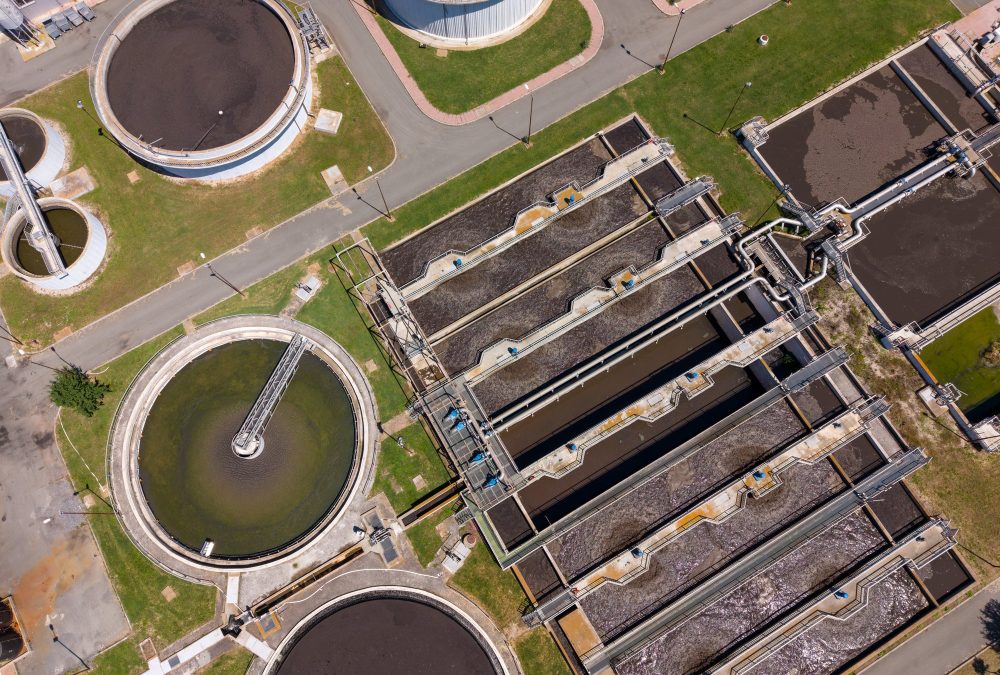
Choosing a wastewater treatment system is a major engineering and business decision for any industrial facility. The wrong system can raise operating costs, create compliance risks, increase sludge production and struggle when wastewater conditions change. The right system starts with one key principle: understand the wastewater before selecting the technology.
In Malaysia, businesses must also consider Department of Environment (DOE) requirements, discharge limits, plant capacity, maintenance needs and future production plans.
This guide explains how businesses can select an industrial wastewater treatment solution that protects plant performance, supports compliance and delivers long-term value.
What Is Industrial Wastewater Treatment?
Industrial wastewater comes from manufacturing, processing, washing, cooling, cleaning, rinsing and other production activities. Its composition can differ from domestic sewage because industrial processes may introduce oils, chemicals, metals organic matter, suspended solids, salts, colour or other contaminants.
Industrial wastewater treatment uses physical, chemical, biological or membrane-based processes to remove these contaminants before water reaches a discharge point or reuse system.
A complete treatment plant may include several stages. Techkem Water Technologies lists processes such as pH adjustment, coagulation and flocculation, biological treatment, sedimentation, filtration, polishing and performance monitoring among its water and wastewater capabilities.
Treatment serves more than one purpose. A well-designed plant can:
- Protect rivers and other receiving waters.
- Help facilities meet discharge requirements.
- Reduce suspended and dissolved pollutants.
- Prepare treated water for recycling or reuse.
- Support stable factory operations.
- Reduce environmental and operational risks.
The treatment train must match the actual waste stream rather than follow a standard plant layout.
Why Industrial Wastewater Characteristics Matter
No two factories create the same wastewater profile.
A food plant may release fats, oils, grease, suspended food particles and high organic loads. A metal-finishing facility may face acids, alkalis and metals. Textile production can generate strong colour and chemical loads.
This variation explains why wastewater characteristics must shape system selection.
Important parameters include:
- Flow rate
- pH
- Chemical oxygen demand (COD)
- Biochemical oxygen demand (BOD)
- Suspended solids
- Oil and grease
- Ammoniacal nitrogen
- Heavy metals
- Temperature
- Colour
- Toxic or difficult-to-degrade compounds
Malaysia’s DOE Industrial Effluent Characterisation Study guidance highlights flow measurement and flow variability because these figures affect sampling and the design of treatment unit operations and processes.
A system designed around average flow alone can struggle during production peaks. Engineers should study both contaminant concentrations and hydraulic changes.
How to Assess Industrial Wastewater Before Selecting a Treatment System
Good treatment design begins with investigation, not equipment selection.
Map Wastewater Sources
Start by mapping every process that produces wastewater. Identify cleaning lines, production areas, cooling operations, rinsing points, chemical handling areas and other sources.
This step helps separate waste streams that need different forms of treatment.
Measure Flow and Variation
Record normal, minimum and peak flows. Check whether production changes between shifts, days, product batches or seasons.
Equalisation may become important when the plant experiences sharp changes in wastewater volume or pollutant concentration.
Test Representative Samples
Laboratory analysis should reveal what the plant must remove. The required test parameters depend on the industrial process and expected contaminants.
DOE provides technical guidance for Industrial Effluent Characterisation Studies and performance monitoring of industrial effluent treatment systems.
Define the Treatment Goal
Ask one important question: where will the treated water go?
A discharge system and a water-reuse system may require different treatment stages. Reuse can demand polishing technologies such as ultrafiltration or reverse osmosis when the intended process requires higher water quality.
Main Industrial Wastewater Treatment Processes
Most treatment plants combine several technologies. Each stage targets a different group of contaminants.
Physical Treatment
Physical processes remove materials without changing their chemical structure.
Common options include:
- Screening for larger solids
- Sedimentation for settleable particles
- Filtration for suspended matter
- Flotation for oils, grease and light solids
Dissolved air flotation or DAF, introduces fine air bubbles that help suspended matter and lighter contaminants rise for removal. Techkem works with KWI technologies for DAF and compact water and wastewater treatment applications.
Chemical Treatment
Chemical processes alter contaminants or help separate them from water. Common stages include pH adjustment, coagulation, flocculation, precipitation and oxidation.
Coagulants destabilise fine particles. Flocculants gather them into larger flocs that treatment equipment can separate from the water. Chemical precipitation can also help remove certain dissolved metals.
Biological Treatment
Biological processes use microorganisms to consume biodegradable organic pollutants.
Common technologies include activated sludge, aerobic systems, anaerobic treatment, sequencing batch reactors (SBR), moving bed biofilm reactors and membrane bioreactors.
Techkem’s wastewater solutions include SBR and MBR systems. Its SBR approach uses biological activated sludge, while MBR combines biological treatment with membrane-based separation.
Advanced Treatment
Some plants require further polishing for strict discharge targets or water reuse.
Options may include:
- Ultrafiltration
- Reverse osmosis
- Activated carbon
- Advanced oxidation
- Fine filtration
Ultrafiltration can remove fine particles and microorganisms and can serve as part of a wastewater recycling system or as pretreatment for reverse osmosis.
Which Industrial Wastewater Treatment Technology Is Right for Your Industry?
Technology selection should follow the contaminant profile.
Food and Beverage
Food processing can create high organic loads, suspended solids, fats, oil and grease. Treatment may combine screening, equalisation, flotation, biological treatment, clarification and sludge handling.
Metal and Surface Treatment
Metal processing may require pH correction, chemical precipitation, coagulation, flocculation, clarification and filtration. Engineers must pay close attention to metals and chemical residues.
Textile Manufacturing
Textile wastewater can contain colour, suspended solids organic compounds, salts and process chemicals. Treatment can require chemical processes, biological stages and advanced polishing.
Malaysia’s Industrial Effluents Regulations also specify sector-related COD conditions. The Seventh Schedule includes separate COD limits for pulp and paper, textile, fermentation and distillery and other industries.
Paper and Pulp
Paper operations may produce fibre, suspended matter and high organic loads. Physical recovery, flotation, biological processes and polishing can form part of the treatment train.
The right industrial wastewater solution depends on laboratory data, discharge requirements, flow patterns, production conditions and the potential for future expansion.
Factors That Affect Industrial Wastewater Treatment System Design
A good design balances treatment performance with practical plant conditions.
Engineers should examine several factors before finalising a system:
- Wastewater flow: Peak and average flows affect tank and equipment sizing
- Pollutant load: Higher concentrations can require extra treatment capacity
- Available space: Compact technologies may suit factories with limited land
- Discharge target: Required outlet quality determines the treatment depth
- Sludge generation: Treatment creates residual solids that need handling
- Chemical use: Chemical consumption influences operating costs and storage requirements
- Energy demand: Pumps, blowers, membranes and aeration systems consume power
- Operator requirements: Complex systems need trained staff and structured operating procedures
- Expansion plans: The system should account for credible increases in production
- Maintenance access: Operators need safe access to pumps, tanks, instruments, valves and other equipment
FSM software can strengthen this operating model. Maintenance teams can use field service management tools to schedule inspections, assign technicians, record equipment history, track work orders and organise preventive maintenance.
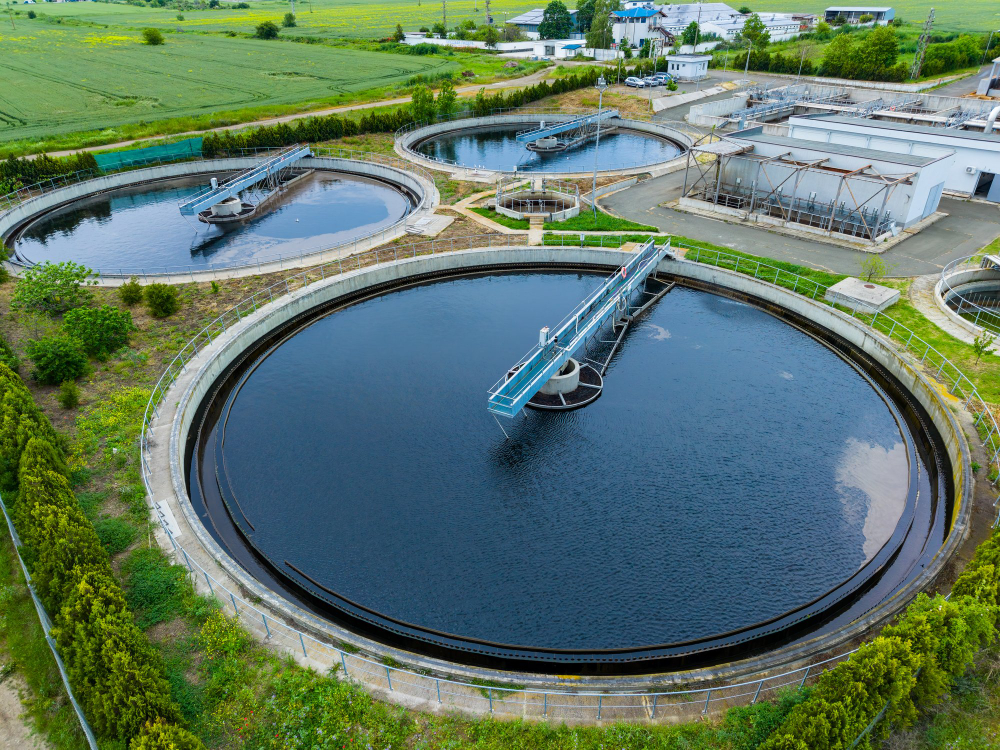
The software does not replace treatment engineering. It helps teams manage the field work that keeps treatment assets functioning.
Industrial Effluent Treatment and Malaysian DOE Requirements
Compliance should influence treatment design from the beginning.
Malaysia’s Department of Environment publishes the Environmental Quality (Industrial Effluents) Regulations 2009, P.U. (A) 434/2009. DOE also publishes guidance for industrial effluent characterisation and performance monitoring of treatment systems.
The regulations establish Standard A and Standard B discharge conditions. Standard A applies to specified inland-water catchment areas, while Standard B covers other inland waters or Malaysian waters under Regulation 11.
The Fifth Schedule covers parameters such as temperature, pH, BOD, suspended solids, metals, cyanide, oil and grease, ammoniacal nitrogen and colour. COD requirements appear in separate schedules and can vary by industry.
For example, the Fifth Schedule sets BOD limits at 20 mg/L under Standard A and 50 mg/L under Standard B. Suspended solids limits stand at 50 mg/L and 100 mg/L respectively.
Regulation 10 also requires the operation of an industrial effluent treatment system to receive supervision from a competent person, with a competent person on duty while the system operates.
Companies planning industrial effluent treatment should confirm the standards and regulatory duties that apply to their site, discharge location, process and wastewater.
How to Know If Your Existing Wastewater Treatment System Needs an Upgrade
Treatment plants age, while factories change.
An existing system may need an upgrade when:
- Outlet quality moves close to discharge limits.
- Production volume exceeds the original design basis.
- Chemical consumption keeps rising.
- Sludge volumes become difficult to manage.
- Equipment breaks down often.
- Operators struggle with changing influent conditions.
- Pumps, blowers or membranes require frequent attention.
- The factory plans to reuse treated water.
- Existing tanks create a production bottleneck.
Start with a plant audit. Compare the original design flow and pollutant loading against current conditions.
Maintenance records can expose repeating equipment failures. This is another area where FSM software adds value. Digital service histories help managers spot recurring faults, missed maintenance work and assets that consume excessive technician time.
Industrial Wastewater Treatment System vs Industrial Effluent Treatment System
These terms often describe closely related systems, but their use can differ by context.
An industrial wastewater system is a broad concept. It can cover wastewater collection, treatment, recycling, reuse, sludge handling and discharge.
An industrial effluent treatment system often focuses on treating the liquid waste that a facility intends to discharge after production.
In practice, both may contain similar technologies, including equalisation tanks, chemical dosing, biological reactors, clarifiers, DAF units, filters and sludge treatment equipment.
The label matters less than the design objective. A successful industrial effluent treatment plant must treat the actual wastewater load and achieve the required outlet quality.
Benefits of Proper Industrial Wastewater Treatment
A strong wastewater system creates value beyond meeting a discharge limit.
Better Environmental Protection
Removing pollutants before discharge helps protect receiving waters and surrounding ecosystems.
Stronger Compliance Control
A well-designed system gives operators more control over discharge quality and reduces the risk of treatment failures.
Water Reuse Opportunities
Further polishing can make treated wastewater suitable for selected industrial reuse applications, subject to the quality required by the process.
More Stable Production
Wastewater problems can disrupt manufacturing. Reliable treatment helps factories maintain smoother plant operations.
Better Maintenance Planning
Clear maintenance schedules reduce the chance that neglected pumps, sensors, dosing systems, blowers or membranes cause unexpected failures.
FSM software can support inspections, technician assignments, service records, spare-parts planning and preventive maintenance tasks across treatment assets.
How to Choose an Industrial Wastewater Treatment Company in Malaysia
Selecting a treatment partner requires more than comparing equipment prices.
Look for a company that can examine the entire wastewater problem.
A capable provider should offer:
- Wastewater assessment and characterisation support
- Process and system design
- Equipment selection
- Engineering and construction support
- Commissioning
- Operations and maintenance services
- Performance monitoring
- Upgrade and refurbishment support
Experience across several technologies also matters. A supplier that promotes one process for every waste stream may overlook better options.
When evaluating a provider for industrial wastewater treatment in Malaysia, ask for relevant project experience and clear explanations of why each treatment stage appears in the proposed design.
The proposal should state design flow, pollutant assumptions, expected outlet quality, major equipment, chemical needs, sludge handling, power requirements, controls, operator duties and maintenance needs.
Why Choose Techkem Water Technologies for Industrial Wastewater Treatment?
Techkem Water Technologies has operated in the water and wastewater sector since 2001 and serves industries in Malaysia and other South-East Asian markets. Its capabilities cover industrial process water and wastewater, sludge treatment, water recycling, chemical treatment, membrane UF systems and operation services.
Its service models include Engineering, Procurement and Construction (EPC), Operations and Maintenance (O&M), Build, Operate and Maintenance (BOM) and Construction and Maintenance (C&M).
Techkem also provides wastewater technologies such as SBR, MBR, dewatering, chemical treatment and DAF-related solutions.
Project history also matters when choosing a treatment partner. Techkem lists an industrial wastewater treatment plant refurbishment project in Subang, Selangor, among its 2024 project references.
For businesses researching industrial wastewater treatment in Malaysia, this combination of engineering, treatment technology, maintenance capability and local project experience can help create a solution built around real plant conditions rather than a fixed equipment package.
Conclusion
Choosing the right wastewater system starts with data. Businesses need to understand flow, contaminant loads, production changes, discharge conditions, available space, operating costs, maintenance demands and future capacity before selecting equipment. Malaysia’s DOE requirements must also form part of the design process from the start. A treatment partner should assess these factors and build a treatment train around the site’s real needs. When companies combine sound engineering with disciplined maintenance and FSM software for field operations, they gain stronger visibility over plant assets, service work, inspections and equipment history. That approach supports reliable treatment and long-term plant performance.
FAQs
What factors should I consider before choosing a wastewater treatment system?
Check wastewater flow, pollutant concentration, discharge requirements, available space, energy use, chemical consumption, sludge production, maintenance needs, operator skills, production changes and future plant expansion before selecting treatment equipment.
What is the purpose of industrial wastewater treatment?
It removes harmful pollutants, suspended solids, oils, chemicals, metals and organic matter from factory wastewater, helping facilities protect receiving waters, meet discharge requirements, support reuse and maintain stable operations.
How do Malaysian DOE requirements affect wastewater treatment system design?
DOE discharge standards influence treatment targets, equipment selection, monitoring, sampling, operation and system performance. Companies should identify applicable standards, discharge locations, wastewater characteristics and regulatory obligations before finalising the plant design.
How can FSM software support wastewater treatment plant maintenance?
FSM software can organise preventive maintenance, technician schedules, inspections, work orders, asset histories and service records. This helps maintenance teams track treatment equipment and address recurring plant problems with clearer operational data.

Recent Comments