
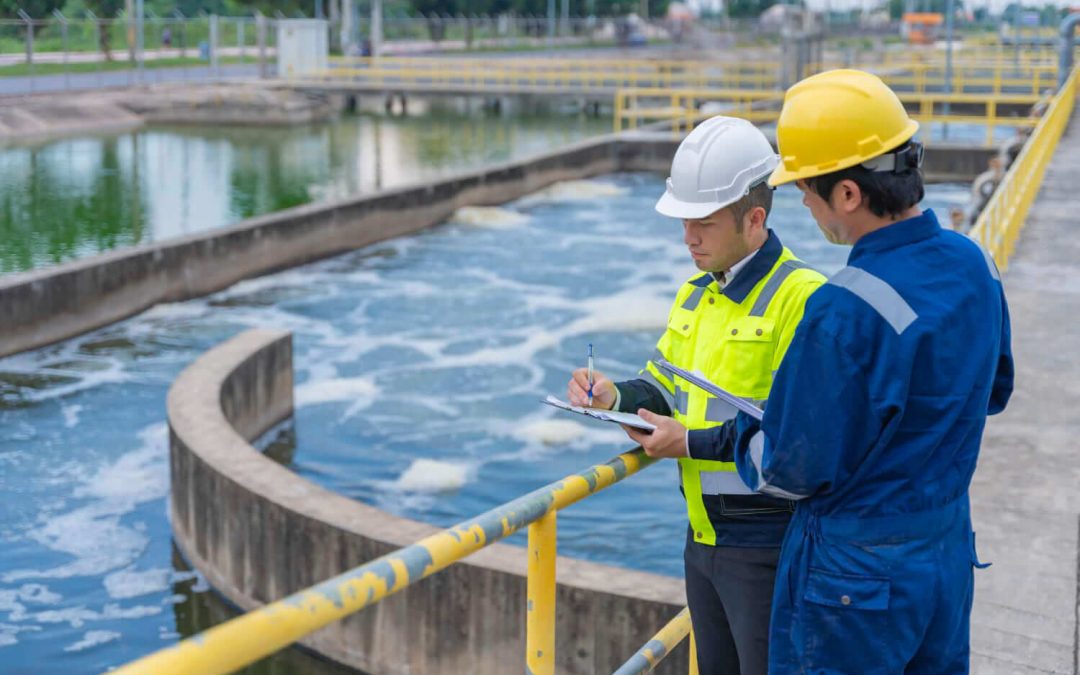
Wastewater is one of the biggest challenges that the world is facing. This sounds like a crucial pillar for environmental sustainability, particularly in Malaysia, where industrial growth and urbanisation are continually expanding while facing significant challenges. Due to the continuous rise in industrial activities, the amount of wastewater produced is increasing day by day.
That’s why waste water treatment plays a major role in Malaysia. It helps companies to treat wastewater before they release it. They help protect the environment and promote sustainable practices. Companies are now moving towards the modern solution for this treatment. Which not just removes the pollution, but also helps to get back the valuable nutrients of water. In this guide, you will understand how wastewater treatment works, explore different types, and learn about the problems that occur due to wastewater, and so on.
How Wastewater Treatment Works
This treatment process can pass through several stages. Each stage has a different task to improve water quality.
1. Collection and Screening
This is the process where treatment can start. During the passing through this process, the faculty clears all materialistic items from the water, like plastic, paper, leaves, or cloth fabrics. This process intends to clear all those items that can get stuck in pumps, pipes, and other equipment.
This can help your water flow smoothly or avoid unnecessary breakdowns. Now the moves the water for the next process.
2. Separation of Solids
Water collects in the tank, where solid particles can settle down at the bottom, which is easy to remove. When the solid materials are set in the bottom, but the oil or grease can still float on the surface.
Treatment teams can also remove these materials from water. This stage clears out a large amount of solid waste before treatment goes to the other stages
3. Biological Cleaning
This is the natural process of treatment. So, in this, the water can be added to special tanks. The presence of tiny microorganisms can help to clean water by eating the waste that is still left in the water.
This can not involve any kind of action that can harm nature. That’s why it also protects nature or even support to clear them.
4. Final Polishing
In that process, it helps to improve the quality of water. By using filters, membranes, and disinfection systems through remove the fine particles or harmful microorganisms.
These four processes help to treat the water to require standards for discharge or reuse.
Types of Water Treatment
Not every industry can release the same kind of water waste. For that, not one treatment can suit every industry. The treatment team can pick water solutions on the basis of the industry’s needs.
1. Physical Treatment
The process of physical water treatment can clear all kinds of visible particles from water.
Common methods include:
- Screening
- Sedimentation
- Filtration
- Oil and grease separation
It clears all those solid particles before it moves to the next process of treatment.
2. Biological Treatment
It can happen through the microororganisms which eats the waste from water.
Popular systems include:
- Aerobic treatment
- Anaerobic treatment
- Membrane bioreactors
These can be dealt with through the waste of water in natural methods. This also helps water quality to improve.
3. Chemical Treatment
The chemical process of water cleaning treatment can help to remove those polluted particles that can still be left in the water after the process of physical and biological methods.
Common processes include:
- Coagulation
- Flocculation
- pH adjustment
- Disinfection
These methods help facilities achieve strict environmental standards.
4. Advanced Treatment
Some industries require a higher level of treatment. Advanced systems can remove very small particles and dissolved contaminants.
Examples include:
- Membrane filtration
- Reverse osmosis
- Advanced oxidation
- Recycling systems of water
These methods deal to realise clean water for reuse or special purposes.
Problems Caused by Untreated Waste Water
It can build critical situations for humans, businesses, or the environment. That’s why the proper treatment for water waste is necessary.
1. Harm to Waterways
When wastewater blends with water bodies, it can, sort of, disturb the water life. It can reduce fish survival or harm other water animals. It shortens the span of biodiversity, or even endangers wildlife that rely on clean water to stay alive.
2. Harm to Human Health
When a person drinks or uses water that contains harmful particles that can cause health issues for them. That’s why we depend on effective treatment systems to protect public health.
3. Damage to Natural Resources
It can affect the fertility quality of soil, which can also destroy the groundwater sources along with natural habitats. Due to this, our valuable environmental resources may suffer long-term damage. Protection of these resources helps to support our future generations.
Wastewater Treatment Technologies
Technology growth is majorly focus towards the future of the water management process. Each new solution tries to fulfil the target of clear water with strong performance.
1. Membrane Filtration
In this system, it pulls out all small impurities with harmful particles. It delivers reusable water for many industrial and commercial applications. This helps facilities meet demanding standards.
2. Sludge Treatment Solutions
The treatment team removes that sticky or thick form of oil or grease, which is known as sludge treatment. It helps them to manage by-products more effectively.
3. Water Recycling Systems
This system helps to clean water or prepare it for use again. This step of managing decreases the use of freshwater in industries.
Industries That Need Wastewater Treatment
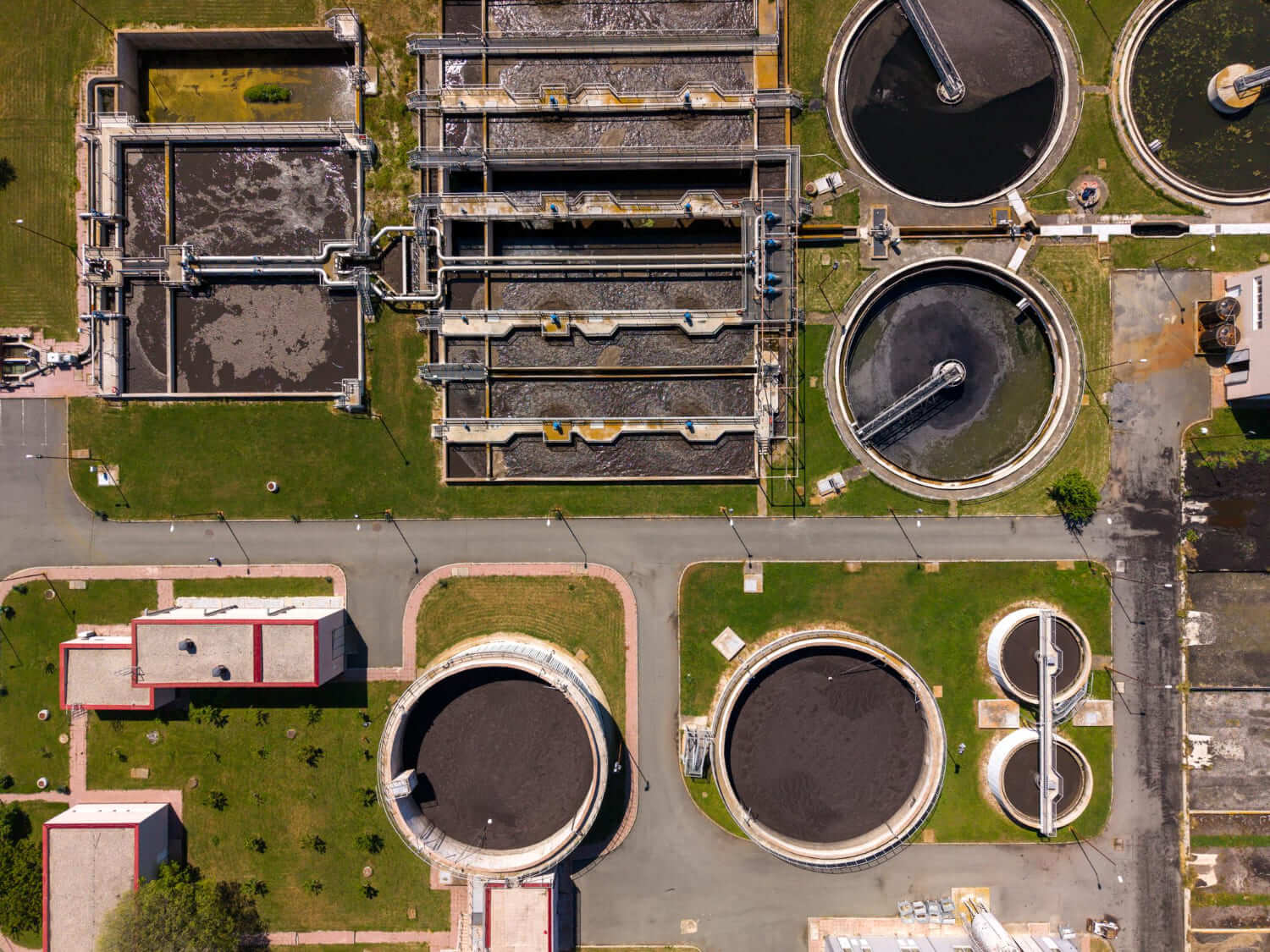
Industries depend on waste water treatment to control water waste safely and responsibly.
1. Manufacturing Industry
This water waste contains a large amount of pollutant particles in visible or non-visible forms.
It helps to maintain balance between business or environment by protecting water sources.
2. Food and Beverage Industry
Food companies release wastewater, which involves impurities. That’s why the cleaning process sounds more important or tough.
3. Municipal Services
Urban cities produce more water waste then ruler areas. For that reason, treatment faculty not only focus on clean water, but also think about the people’s health. They regularly maintain the water storage tanks also.
4. Power Generation Industry
Power plants use a huge amount of water for cooling their operating systems. So this cleaning process controls wastewater or also support enviorment.
Benefits of Modern Water Treatment Systems
Modern solutions of waste water treatment can give more benefits than the basic method of the water cleaning process.
1. Cleaner Water
Advanced systems remove pollutants and improve water quality. As a result, treated water causes less impact on the environment.
2. Better Water Reuse
A modern wastewater treatment system helps organisations recover and reuse water for suitable applications. This approach reduces demand for freshwater resources and supports sustainable operations.
3. Lower Resource Consumption
Water recovery systems help organisations use resources more efficiently. Consequently, facilities can reduce water usage and improve long-term performance.
4. Strong Environmental Protection
Clean discharge helps preserve rivers, lakes, and natural ecosystems. This protection supports both wildlife and local communities.
5. Improved Compliance
Modern treatment technologies help facilities meet environmental regulations with greater confidence. Organisations can reduce compliance risks and strengthen operational reliability.
Why Choose Techkem Water Technologies
A treatment plan can matter the most in the industry market. A wrong plan can affect the growth of your business. Malaysia follows the strict environmental rules for industries. So it even brings you under the court for the violation of the Environment Act.
Due to that, Malaysian industries require reliable solutions to manage water resources. Which meet environmental rules and improve operational efficiency.
A comprehensive water management provider offers end-to-end support, from system design or installation to operation with maintenance. With expertise in both industrial and municipal applications, businesses can achieve sustainable water use while maintaining compliance with local standards.
Key reasons industries choose this partner include:
- Complete Water Management Solutions
They cover potable water treatment. Including industrial wastewater treatment, water recycling, sewage treatment, and sludge management under one roof.
- Strong Technical Expertise
Their experienced teams design, build, operate, and maintain treatment systems. Also, design unique needs by focusing on the challenges of a particular industry.
- Advanced Technologies and Products
Solutions include membrane filtration, coagulants, flocculants, or cooling water treatment. It also removes fat, oil, and grease from systems.
- Focus on Sustainability and Compliance
Water recycling and efficient treatment processes help industries reduce environmental impact. They even meet on regulatory requirements.
This integrated approach helps organisations improve water efficiency, support sustainability goals, and maintain reliable plant operations.
Conclusion
As industries continue to grow across Malaysia, the need for effective wastewater treatment becomes more important each year. Proper treatment helps to save rivers or preserve valuable water resources. Even nurture a healthier environment for future generations. Modern solutions for waste water treatment help organisations meet environmental regulations.
From different industries to municipal services and power generation, every sector relies on dependable water management solutions. By promoting advanced technologies and partnering with an experienced provider, businesses can strengthen operations. It also boosts sustainability goals.
In time-efficient wastewater management, not only shields the environment but also lays a strong foundation for responsible industrial growth. This approach helps industries thrive, conserve natural resources, and support a cleaner future for communities across Malaysia.

Recent Comments