

Clean water supports strong industry and steady national progress. Many facilities across the country move large amounts of process water each day, and these activities create liquids that often carry chemicals, oils, and solid traces. These liquids need careful routines so nature stays safe and protected. This is why industrial wastewater draws serious attention, as every site needs firm steps that guard water quality and shape safer operations for the future.
As new projects appear across the country, treatment systems gain even more importance. Clear routines encourage safe habits and support high standards for every industrial task. Strong guidance helps each facility track water movement, understand treatment needs, and follow rules that protect rivers, soil, and surrounding life. This teamwork between planning and action strengthens national goals and encourages cleaner progress.
More industries now invest in smarter tools, better pipes, and clearer monitoring systems. These tools support long-term safety, reduce mistakes, and create confident decisions inside every operation.
What Is Industrial Effluent?
Industrial effluent treatment forms when water touches unwanted materials during washing, cooling, heating, or processing work. Water collects colour residue, oils, dissolved solids, and chemical traces during these tasks. Strong treatment routes guide this effluent through filters, screens, and settling zones. Each stage cleans the liquid and prepares it for safe handling.
Effluent types change based on materials used, production style, and tools inside each facility. Because of this, facility teams study internal flow and design treatment paths that match real conditions. Clear action supports safer discharge and cleaner long-term outcomes.
As industries evolve, new materials enter production, so treatment teams study how these materials behave in water. This extra attention sharpens results and strengthens environmental protection.
Core Effluent Traits:
- Effluent forms when industrial tasks mix water with unwanted waste.
- Effluent carries chemical traces, solids, and colour material.
- Effluent needs structured treatment before safe release.
Understanding these traits helps facility teams create cleaner routines. This knowledge encourages better decisions, sharper monitoring, and stronger environmental protection.
Industrial Effluent Treatment Regulations in Malaysia
Malaysia sets strict rules that protect rivers, lakes, and natural areas. These rules list strict limits for solids, oils, chemicals, and organic matter. Each facility studies these limits and uses treatment methods that support safe release. Frequent testing confirms clean performance and shows where improvement may be needed.
Regulations also push facilities to upgrade systems, refine internal paths, and strengthen treatment routines. This constant improvement supports cleaner results and reduces risk across all industrial zones.
In addition, new technology enters the industry each year, so facility leaders explore fresh tools that offer clearer readings and quicker responses. This progress supports stronger compliance and safer communities.
Regulation Highlights:
- Rules set firm limits for harmful materials in discharged water.
- Standards require ongoing testing and complete documentation.
- Guidelines encourage system upgrades for better protection.
These regulations support cleaner surroundings and shape stronger environmental care across Malaysia.
Risks of Non-Compliant Industrial Wastewater Discharge
Non-compliant discharge harms rivers, soil, plants, and local ecosystems. Pollutants enter natural spaces and create long-lasting damage when treatment steps collapse. Unsafe flow also invites penalties, delays, and legal action. Strong routines prevent these problems and support safe long-term growth.
Contaminated water harms internal equipment as well. Pipes clog, pumps break, and filters weaken when untreated liquid moves through the system. Regular cleaning and careful monitoring prevent these expensive issues and create smooth daily performance.
More problems arise when poor discharge spreads across the surrounding areas. Harmful patterns travel through water channels, affect nearby land, and disturb natural life. Strong control stops these issues before damage grows.
Key Risks:
- Unsafe discharge harms soil strength and river health.
- Contaminated flow damages equipment and raises repair costs.
- Poor treatment causes penalties, shutdowns, and legal issues.
Strong treatment protects communities, supports smoother production, and encourages long-term progress.
Industrial Effluent Treatment Methods Used in Malaysia
Malaysia uses several treatment paths to improve water quality. Biological systems digest organic matter using natural organisms. Chemical systems neutralise unwanted compounds through controlled reactions. Physical systems screen solids, settle heavy material, and filter particles until the water grows cleaner.
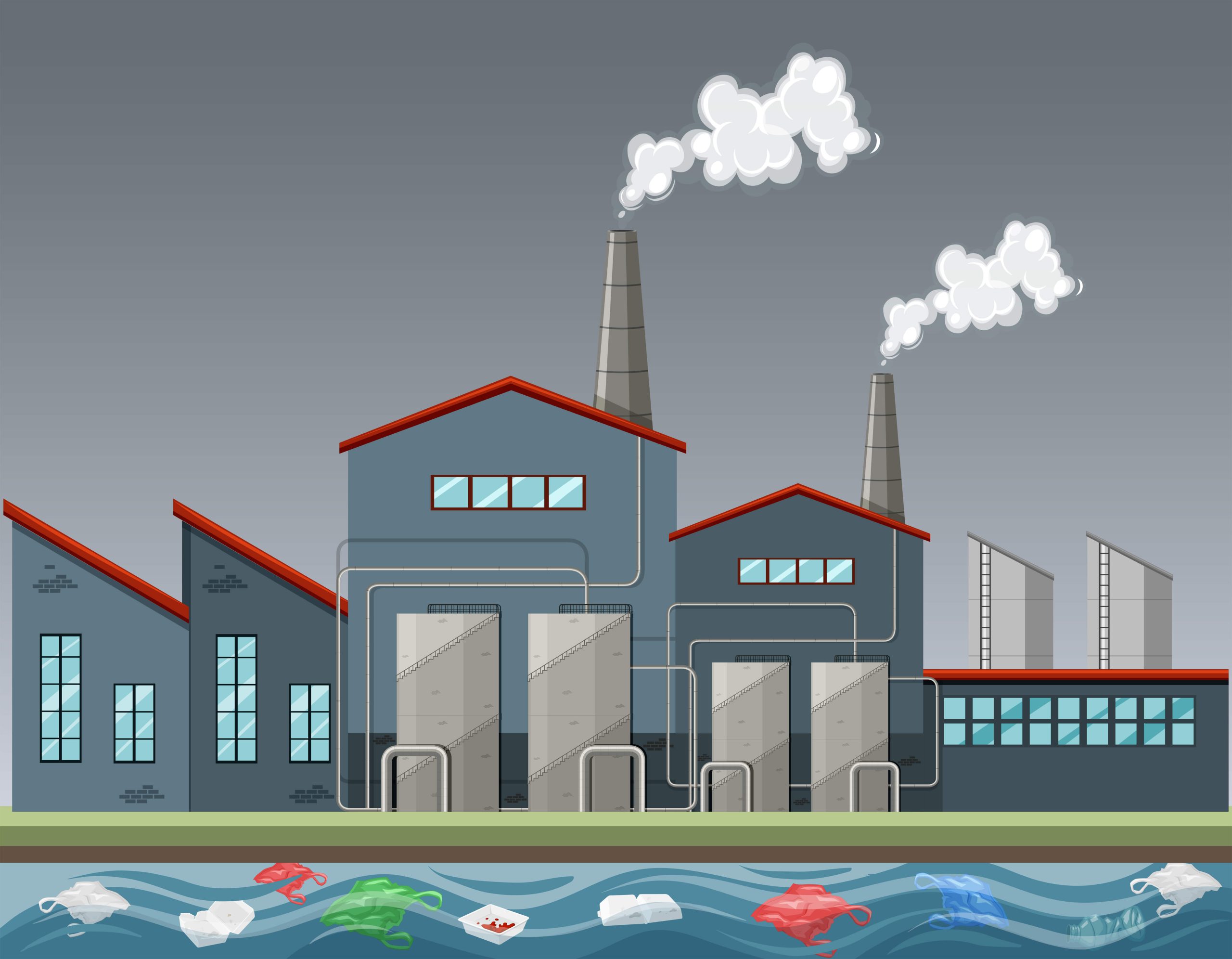
Each facility studies wastewater behaviour and selects a method that fits pollutant strength and daily flow. Many operations combine multiple treatment steps to create cleaner and more stable outcomes. Newer systems include advanced membranes, high-aeration routes, and compact filters that support faster cleaning. These tools boost reliability and encourage consistent results.
You can also Check Industrial Wastewater Treatment in Malaysia: Effective and Compliant Solutions.
Main Treatment Categories:
- Biological systems digest organic matter and reduce strong smells.
- Chemical systems neutralise harmful compounds with targeted reactions.
- Physical systems remove solids and settle heavy particles.
Before viewing the table below, note that each method supports different discharge needs. Many facilities adjust flow speed, tank size, and treatment stages to sharpen results.
| Method Type | Purpose | Strength |
| Biological | Organic breakdown | Steady, natural cleaning |
| Chemical | Neutralisation | Strong control for stubborn pollutants |
| Physical | Solid removal | Simple and clear separation |
Blended approaches create flexible control and help facilities maintain safe and continuous treatment flow.
Choosing the Right Effluent Treatment System
Choosing a proper system requires firm planning and steady observation. A facility studies pollutant levels, water volume, and daily flow patterns. This information guides tank size, filtration design, chemical dosing, and treatment route. Strong systems reduce risk, improve discharge quality, and support long-term industrial stability.
Clear goals also help decision-makers choose options that match equipment strength and maintenance needs. When planning stays are organised, treatment stages grow easier to manage. Training also improves system performance. Workers study flow behaviour, learn correct settings, and operate each stage with confidence.
Selection Priorities:
- Match system size with water volume and pollutant strength.
- Select equipment that supports reliable daily use.
- Observe discharge movement and adjust steps when flow changes.
Careful selection protects surrounding areas and allows each facility to maintain steady performance throughout the year.
How Techkem Supports Industrial Effluent Compliance?
Support from skilled professionals creates safer treatment results. Techkem Water Technologies studies pollutant behaviour, tracks flow direction, and designs systems that match real industrial wastewater treatment. Careful planning shapes clean outcomes, reduces environmental risk, and improves efficiency across daily operations.
Techkem engineers craft biological, chemical, and physical setups based on the challenges inside each facility. Control panels guide treatment stages with smooth flow, and durable equipment supports steady daily use.
Furthermore, Techkem Water Technologies offers strong monitoring support that sharpens compliance and guides long-term improvement. Clear direction strengthens good habits, safe practices, and responsible movement.
Techkem Advantages:
- Tailored systems match discharge patterns with high accuracy.
- Strong equipment supports stable and predictable performance.
- Clear guidance encourages safe and responsible water care.
Support from Techkem Water Technologies strengthens national environmental goals and encourages steady industrial growth across Malaysia.
Conclusion
Malaysia’s industrial growth depends on strong, steady, and responsible wastewater routines. Clean treatment protects soil, rivers, and long-term community health. Good planning limits risk, supports smooth production, and encourages balanced industrial growth.
Facilities that commit to these strong routines enjoy safer operations, better confidence, and more predictable flow. Responsible treatment protects the environment and builds a stable foundation for the country’s future.
FAQs
Why do industrial facilities treat wastewater?
Facilities treat wastewater to protect natural surroundings, maintain healthy production, and support environmental balance.
Which treatment method works best?
The best method depends on pollutant strength, water volume, and daily industrial behaviour inside each facility.
How does compliance support long-term success?
Strong compliance prevents damage, avoids delays, and supports stable performance throughout the entire operation.
How does Techkem Water Technologies help?
Techkem designs strong systems, studies wastewater patterns, and guides facilities toward cleaner and safer treatment habits.

Recent Comments