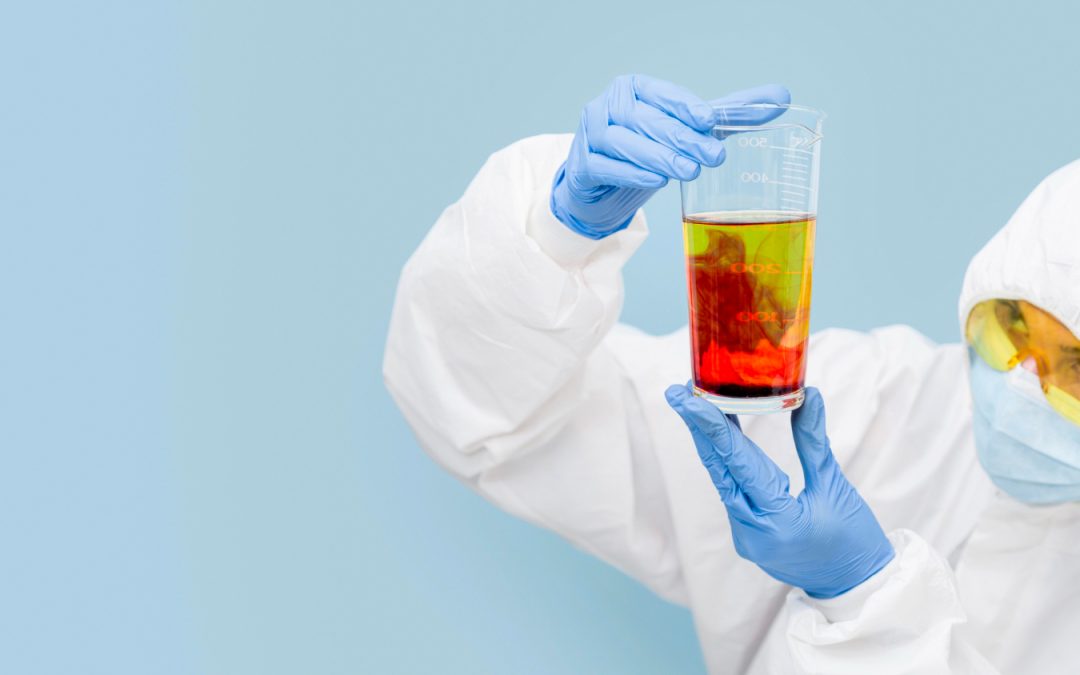
Water keeps life going. But factories and cities dump dirty water into rivers and lakes. This polluted water harms animals, plants and people. If we don’t clean it then sickness and pollution will spread.
One strong way to clean dirty water is the chemical treatment of wastewater. Special chemicals break down, pull out or kill harmful things in the water. Many industries depend on this method to make water safe before it returns to nature.
This guide explains how chemical treatment works, what chemicals help, why it matters and what chemicals are used in water treatment. It also looks at what’s coming next in this field.
What is Chemical Treatment of Wastewater?
The chemical treatment of wastewater is a process that uses specific chemicals to clean dirty water before it is reused or released into the environment. These chemicals separate, neutralise or eliminate harmful substances that cannot be removed by simple filtration.
Factories, cities and treatment plants rely on this method to remove toxins, heavy metals and bacteria that threaten water safety. The chemical treatment of wastewater is fast, effective and widely used especially where biological or physical treatment methods are not enough.
This process ensures that treated water meets safety standards and does not cause harm when released into nature.
How Chemical Treatment of Wastewater Works
Chemical treatment uses special substances to grab, remove or change harmful things in water. Some dirt sticks to chemicals and accumulates together while others vanish when they react with the right solution.
Industries that release dirty water depend on chemical treatment which include:
- Factories that leak metals, oils and dyes into water.
- Oil and gas plants that spill chemicals and salts.
- Food processing sites that wash out fats and sugars.
- Medicine and chemical companies that flush out strong chemicals.
- City sewage plants that clear away waste before it flows back into nature.
Each industry faces different water problems but chemical treatment helps to keep water clean and safe.
Overview of Chemical Treatment Methods

Each step of chemical treatment targets different pollutants.
1. Coagulation and Flocculation
This method traps tiny dirt particles so they sink to the bottom.
- Coagulants like aluminium sulphate and ferric chloride pull in small bits so they stick together.
- Flocculants like polymers bind these tiny clumps into big ones that are easy to remove.
2. pH Adjustment
Water that is too acidic or too alkaline creates trouble.
- Lime (calcium hydroxide) lifts the pH which makes metals fall out of the water.
- Sulphuric acid lowers the pH which helps other treatments work better.
3. Oxidation
Oxidation attacks and destroys harmful substances.
- Chlorine and ozone eliminate bacteria and viruses.
- Hydrogen peroxide breaks down poisons into harmless materials.
4. Precipitation
This process separates heavy metals that can poison water.
- Lime and sodium hydroxide change metals like lead into solid bits.
- Ferrous sulphate removes phosphates which stops algae from blocking rivers.
5. Disinfection
Before the treated water returns to nature, it must be cleaned completely.
- Chlorine compounds kill out bacteria.
- UV Light destroys germs without using chemicals.
- Ozone purifies water without leaving a trace.
Chemicals Utilized in Treatment Processes
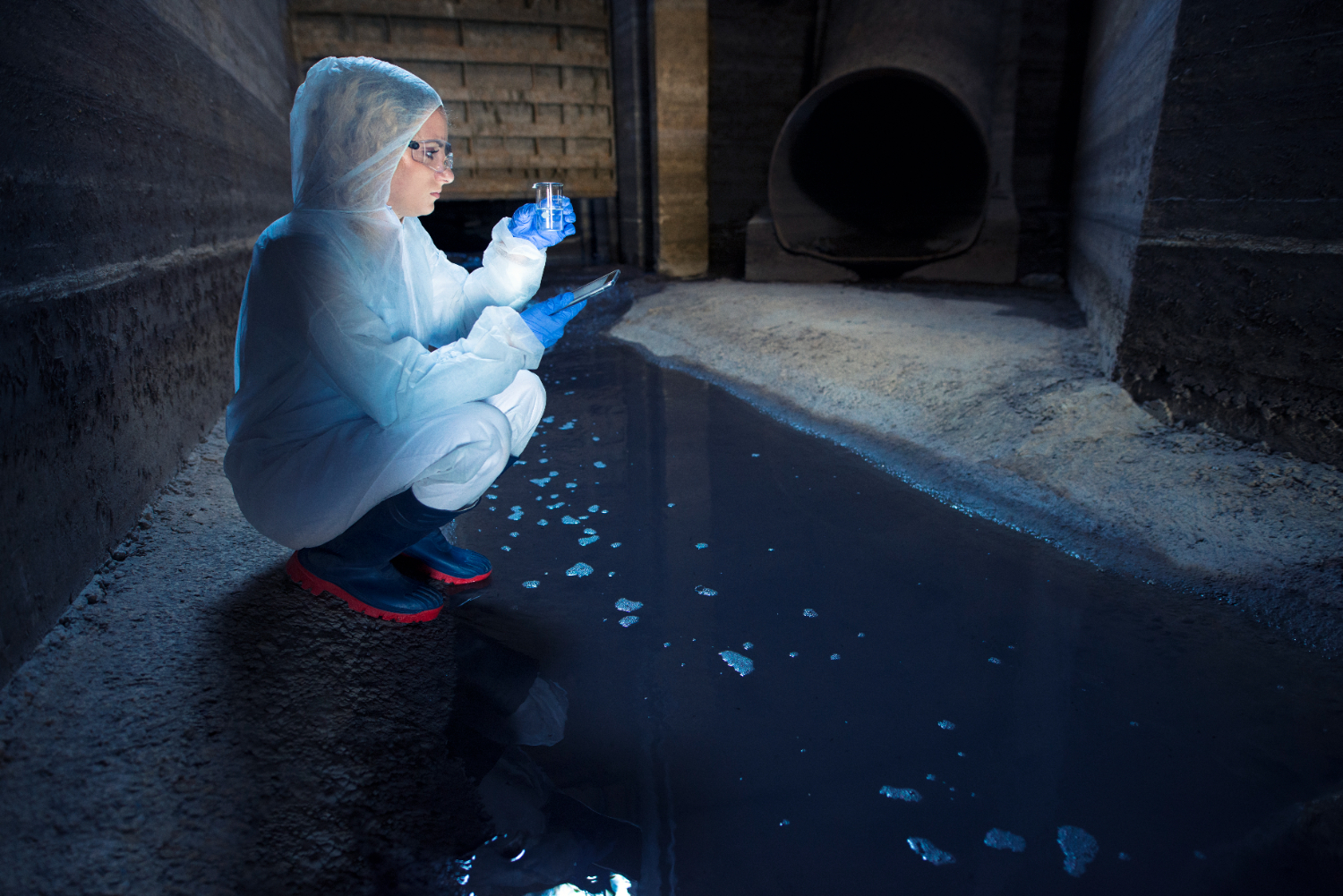
Each chemical plays a key role in the chemical treatment of wastewater.
Coagulants and Flocculants
- Aluminium sulphate (Alum): Grabs tiny dirt particles.
- Ferric chloride: Binds with pollutants to make water clear.
- Polymer flocculants: Gather particles into big clusters for easy removal.
pH Adjusters
- Lime (Calcium hydroxide): Lifts pH and removes metals.
- Sulphuric acid: It lowers pH for better chemical reactions.
Oxidisers
- Chlorine: Destroys bacteria and organic waste.
- Ozone: Erases germs and leaves no chemicals behind.
- Hydrogen peroxide: Dissolves dangerous chemicals.
Precipitation Agents
- Lime and sodium hydroxide: Separate metals into solid form.
- Ferrous sulphate: Clears out extra phosphates.
Disinfectants
- Chlorine compounds: Sanitise wastewater in cities.
- UV Light: Kills bacteria without chemicals.
- Ozone: Purifies water without harming the environment.
Advantages and Limitations
Pros
- Works fast – It breaks down pollutants quicker than other methods.
- Removes many types of waste – Clears out heavy metals, bacteria and chemicals.
- Needs little space – Fits into compact treatment plants.
- Easy to adjust – Controls chemical amounts to match water conditions.
Cons
- Costs money – Some chemicals are expensive.
- Creates waste – The process leaves behind mud that needs disposal.
- Needs care – Some chemicals are dangerous to handle.
- Can harm nature – Too many chemicals cause pollution.
Techkem Water Technologies Expertise
Techkem Water Technologies leads in treating wastewater in Malaysia. They help industries to manage, clean and recycle water safely.
What They Do
Techkem designs, builds and runs wastewater treatment systems. They supply chemicals and maintain plants to keep water clean.
Who They Help
Techkem works with:
- Factories – Filters out metals and chemicals.
- Food producers – Cleans up fats and oils.
- Pharma, Electronics and Oleochemical companies – They treat wastewater up to DOE Standard Discharge Limit.
- City sewage plants – Ensure water meets safety rules.
Techkem’s solutions help industries follow environmental laws while saving costs.
Future Trends in Chemical Wastewater Treatment
Chemical treatment keeps improving with new ideas.
1. Organic Chemicals
Factories switch to eco-friendly chemicals that don’t harm nature.
2. Super Oxidation
New mixes of ozone, UV light and hydrogen peroxide wipe out waste faster, leaving less mud.
3. Smart Water Monitoring
Sensors check water in real time by adjusting chemicals automatically.
4. Water Recycling
Many industries use treated water again to save money and water.
Conclusion
Chemical treatment of wastewater keeps rivers and lakes safe. It removes metals, chemicals and bacteria before the water returns to nature. Industries, cities and factories rely on this method to protect public health.
As new technologies emerge, wastewater treatment will become more efficient, green, and cost-effective. Industries that adopt these changes will help to protect water for future generations.
At Techkem Water Technologies, we offer smart solutions to clean wastewater quickly and safely.